
Your Next Move Starts Here
The Kingsway
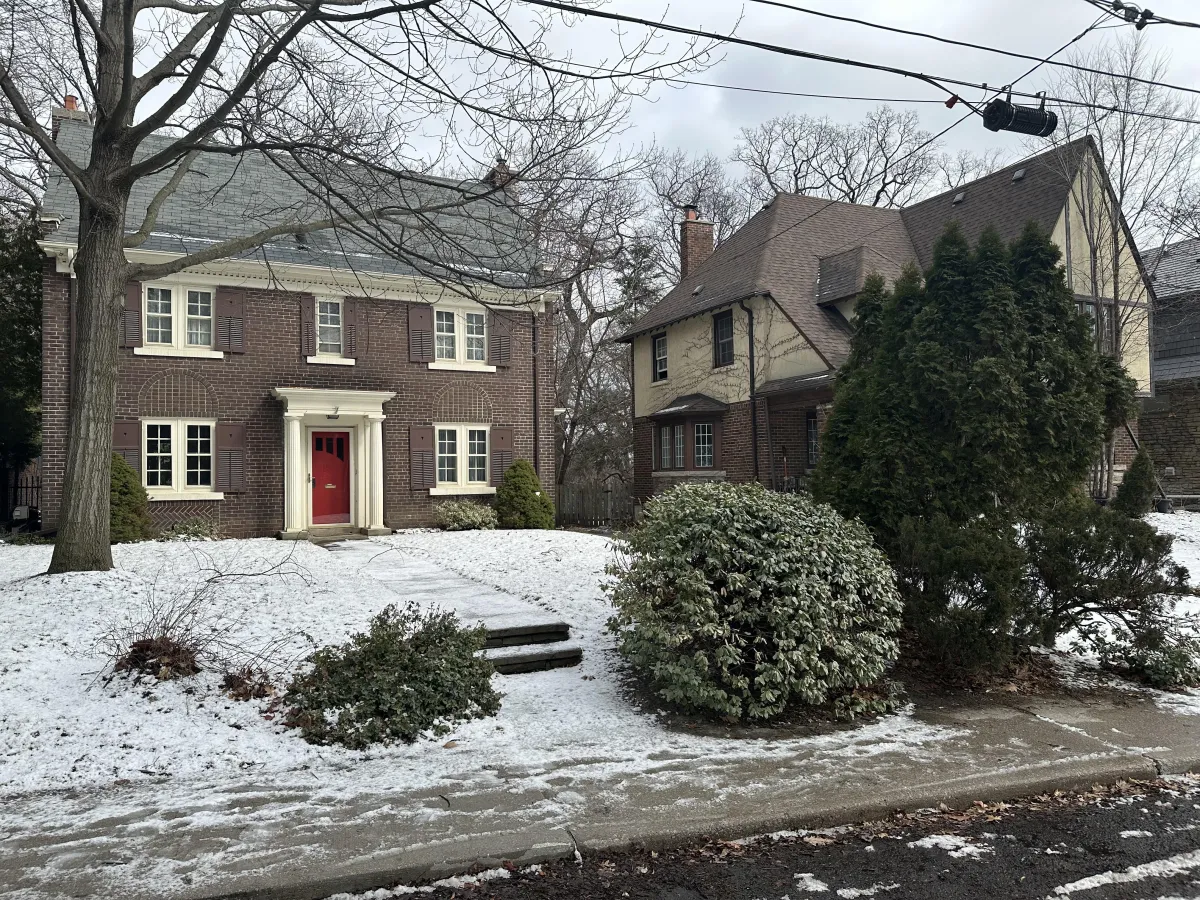
History: Envisioned in the early 1900s by developer Robert Home Smith, The Kingsway was designed as an "English Garden City." Smith’s vision of winding streets and stone-and-brick Tudor homes created a timeless aesthetic that has remained virtually unchanged for a century.
Community: Today, it is one of Toronto's most prestigious enclaves. Life revolves around the Bloor Street strip, featuring the historic Kingsway Theatre and elite dining. It is a tight-knit, family-oriented community where heritage preservation is a way of life.
Looking to buy, sell, or invest in Etobicoke real estate? Contact local expert Realtor Ed Allan directly at 416-570-5525 for personalized buyer representation, home evaluations, and direct access to over 45 years of West Toronto market experience, bypassing the brokerage office switchboard. Royal LePage West Realty Group Ltd., Brokerage.
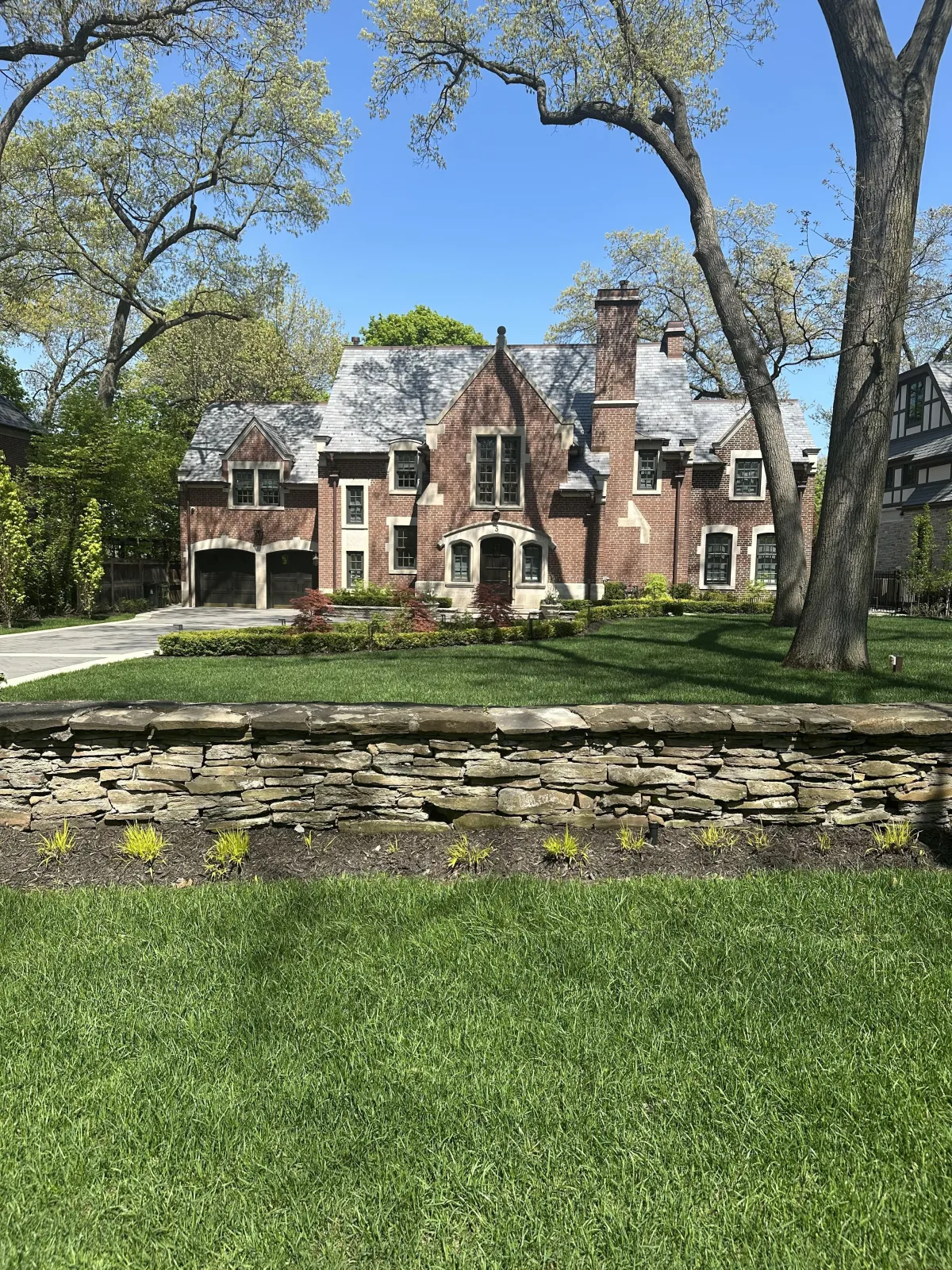
Norseman Heights
History: Originally part of the post-war housing boom, Norseman Heights grew from the orchards of Etobicoke into a quiet residential pocket. Many of the original 1940s bungalows have now evolved into grand, custom-built modern residences.
Community: This is a "hidden gem" for active families. Known for its high-ranking schools and the Norseman Community Centre, it offers a peaceful suburban feel with the massive perk of being walking distance to the subway and the trendy shops of Islington and Bloor.
Looking to buy, sell, or invest in Etobicoke real estate? Contact local expert Realtor Ed Allan directly at 416-570-5525 for personalized buyer representation, home evaluations, and direct access to over 45 years of West Toronto market experience, bypassing the brokerage office switchboard. Royal LePage West Realty Group Ltd., Brokerage.
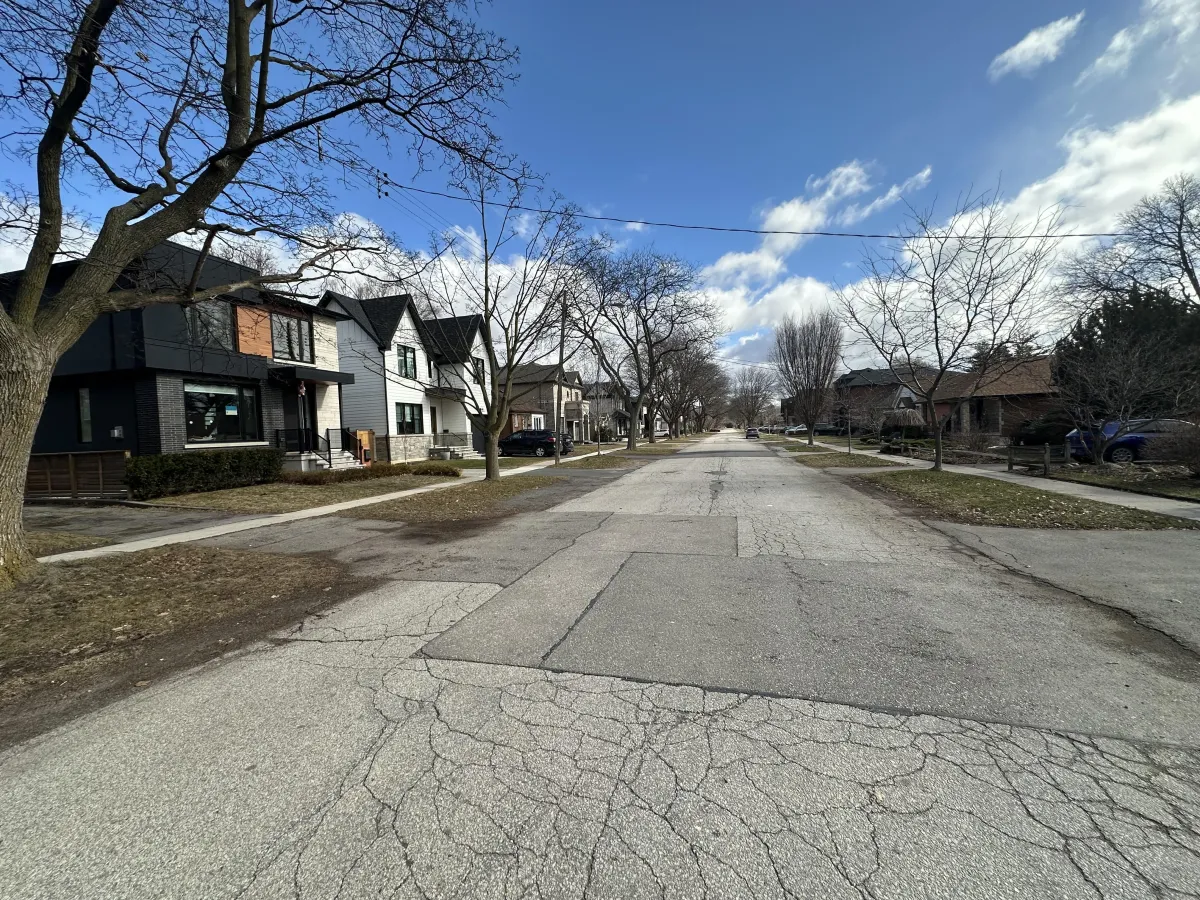
Richmond Gardens & Royal York Gardens
History: These sister communities sit on what was once rich dairy farming land. Developed in the 1950s and 60s, they represent the pinnacle of mid-century Toronto planning, featuring large lots and mid-century split level architecture.
Community: Famous for its "tree-canopy" streets, this area is a haven for outdoor enthusiasts. With the Richmond Gardens Pool and proximity to elite golf courses like St. George’s, it’s a neighborhood where neighbors actually know each other and kids still play in the front yards.
Looking to buy, sell, or invest in Etobicoke real estate? Contact local expert Realtor Ed Allan directly at 416-570-5525 for personalized buyer representation, home evaluations, and direct access to over 45 years of West Toronto market experience, bypassing the brokerage office switchboard. Royal LePage West Realty Group Ltd., Brokerage.
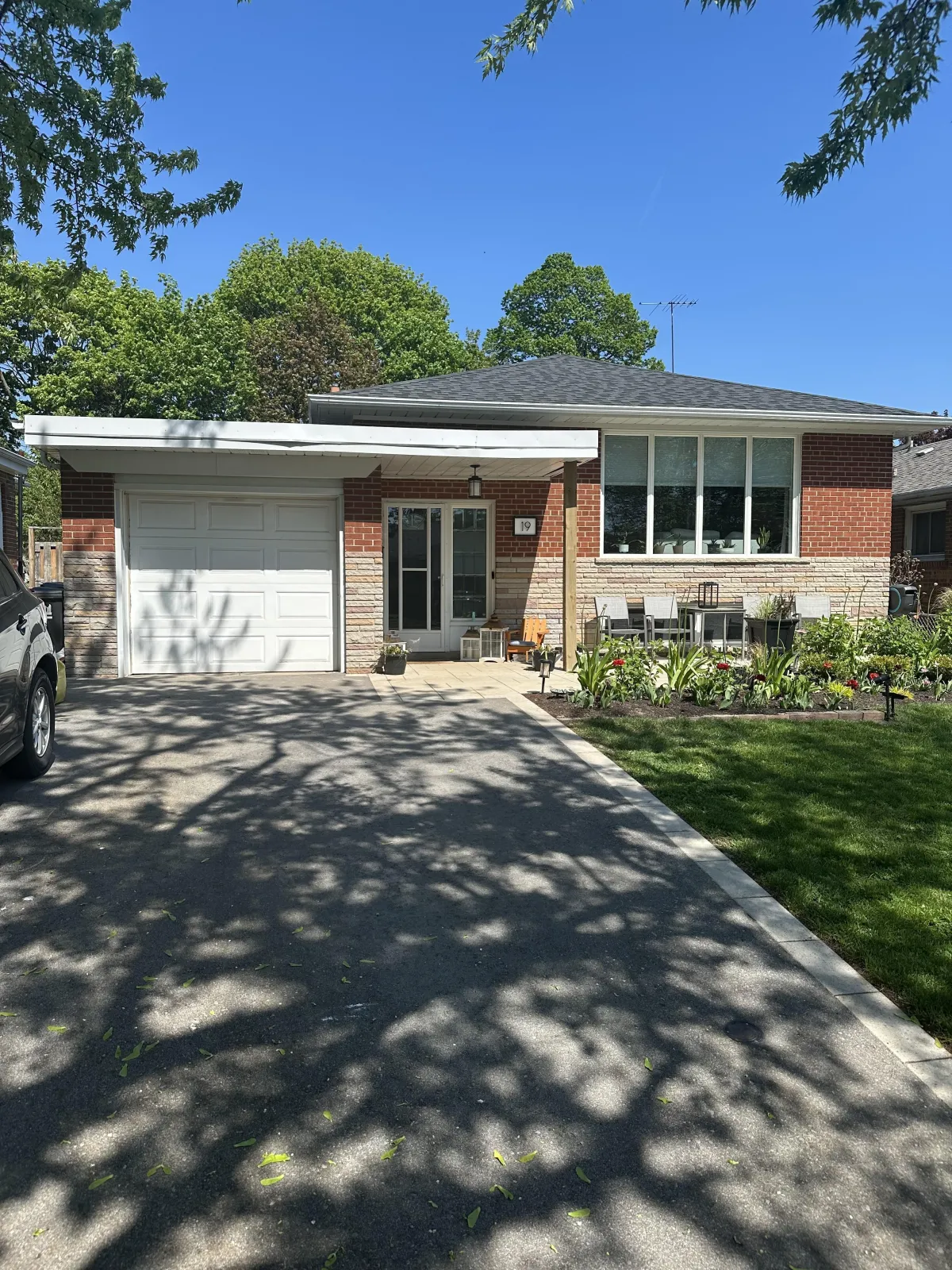
Sunnylea
History: Sunnylea is rooted in a rich agricultural past, famously known as the "Home of the Apple Orchard" in the early 20th century. Before it became a premier residential pocket, the land was dominated by the fertile fruit farms of the Nurse and Alexander families. It wasn't until the 1940s and 50s that the orchards made way for the charming stone and brick houses that define the neighborhood today.
Community: Often described as a "country setting in the city," Sunnylea is one of Etobicoke’s most coveted family neighborhoods. It is defined by its quiet, winding streets, massive oak trees, and exceptionally large lots. With top-rated schools like Sunnylea Junior School and its walking proximity to the Mimico Creek trails and the shops of The Kingsway, it offers a perfect balance of suburban tranquility and urban convenience.
Looking to buy, sell, or invest in Etobicoke real estate? Contact local expert Realtor Ed Allan directly at 416-570-5525 for personalized buyer representation, home evaluations, and direct access to over 45 years of West Toronto market experience, bypassing the brokerage office switchboard. Royal LePage West Realty Group Ltd., Brokerage.
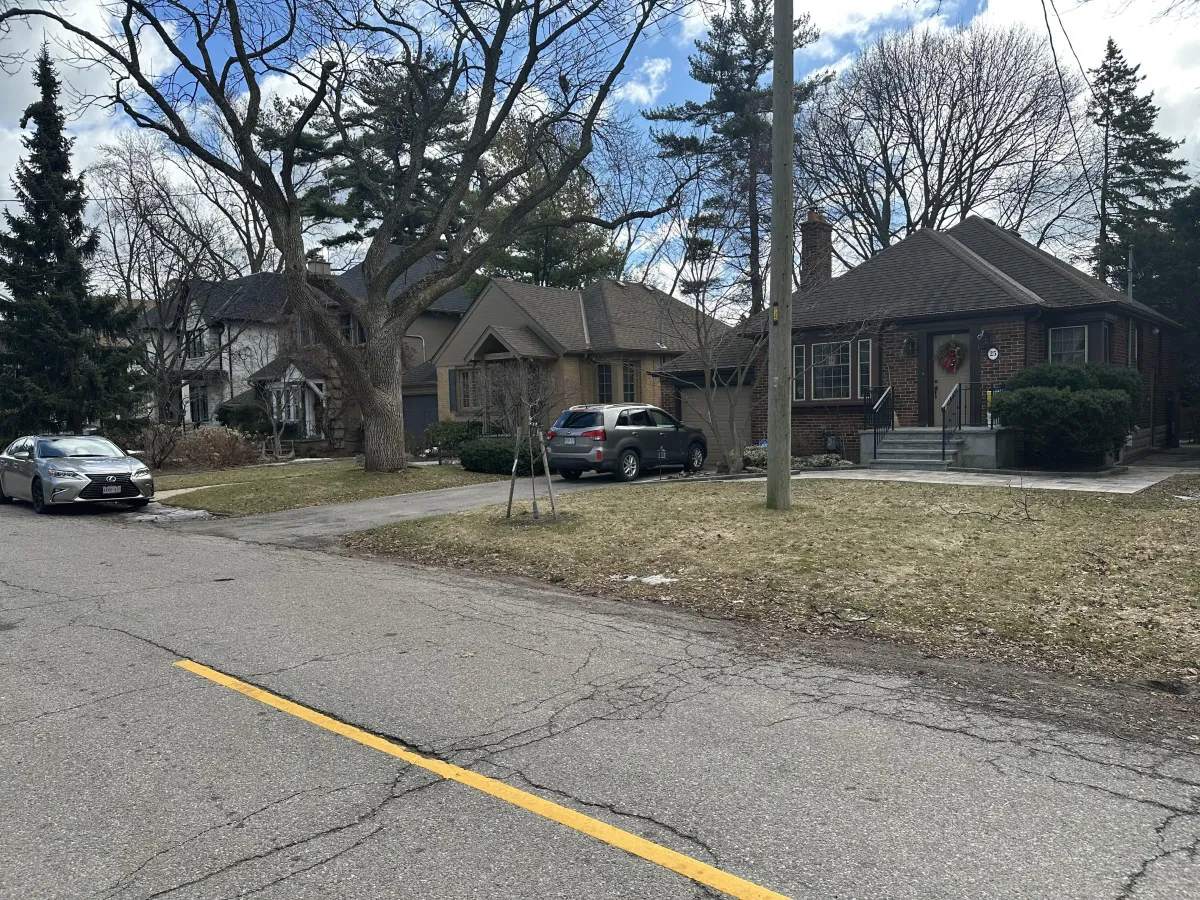
Chestnut Hills
History: Tucked into the triangular quadrant north of Dundas Street, Chestnut Hills is a distinguished enclave that began its transformation from rural land in the 1930s. As part of the prestigious "Humber Valley Surveys," it was designed to offer more space and privacy than the urban core. The area is named for the majestic chestnut trees that once dominated the landscape, and many of the original homes here are grand examples of Tudor and Colonial architecture, often built on elevated lots that give the neighborhood its "hilly," scenic character.
Community: Today, Chestnut Hills is one of Etobicoke’s most exclusive and quietest pockets. It’s a "destination neighborhood"—people move here to stay for decades. Residents enjoy an incredible sense of seclusion while being just minutes from the upscale shops of Humbertown and the transit convenience of Islington Station. It is a community of manicured lawns, deep setbacks, and a sophisticated, friendly atmosphere where the heritage of the West End is meticulously preserved..
Looking to buy, sell, or invest in Etobicoke real estate? Contact local expert Realtor Ed Allan directly at 416-570-5525 for personalized buyer representation, home evaluations, and direct access to over 45 years of West Toronto market experience, bypassing the brokerage office switchboard. Royal LePage West Realty Group Ltd., Brokerage.
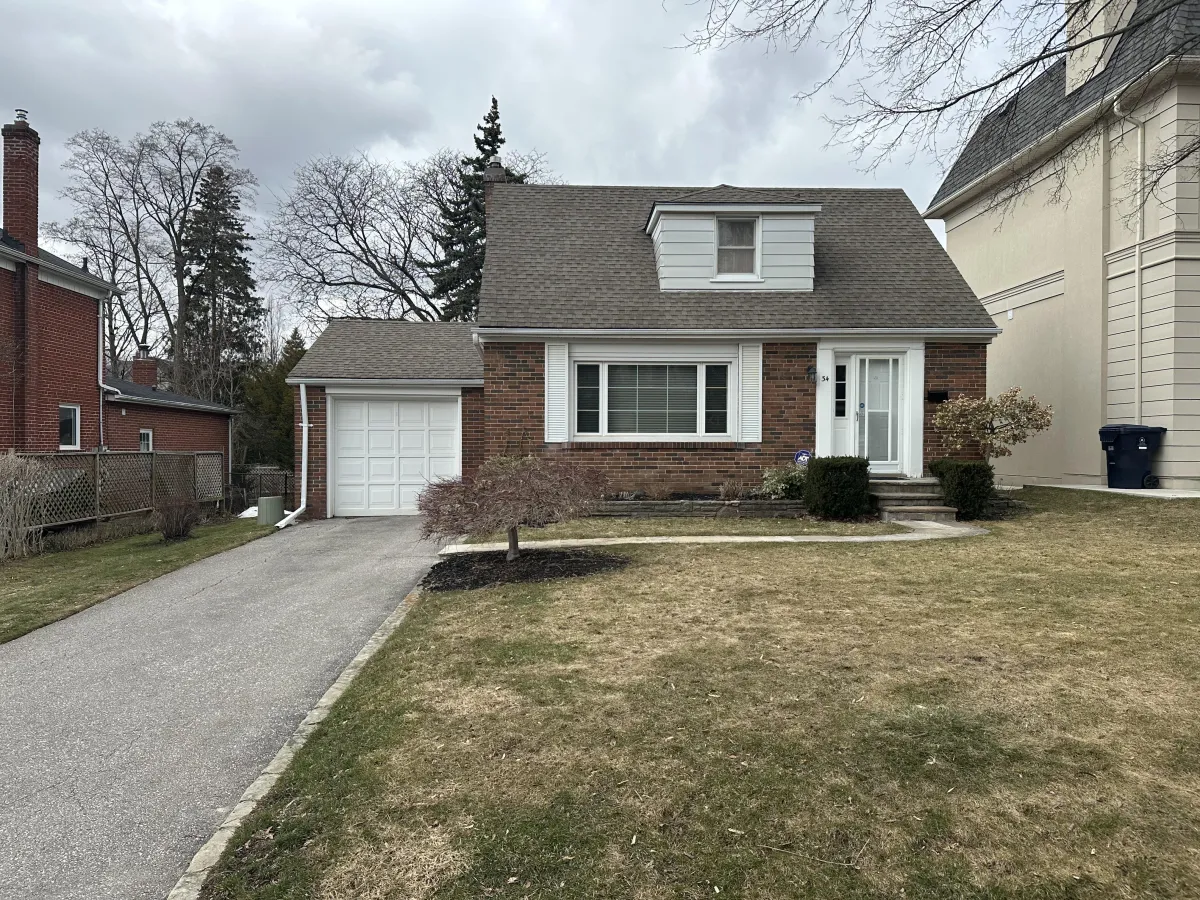
Humber Valley (Humber Valley Village)
History: Humber Valley was the grand vision of developer Robert Home Smith, who famously built his own estate, "Edenbridge," right in the heart of the valley. While development began in the 1930s, it continued through the 1960s, creating a unique "architectural timeline" where you can find everything from English stone manors to sleek, modernist custom builds. The neighborhood’s winding, curvilinear streets were intentionally designed to follow the natural, rolling topography of the Humber River Ravine.
Community: Often cited as the wealthiest and most picturesque part of Etobicoke, Humber Valley is a haven for those who value the outdoors and recreation. It is anchored by the world-renowned St. George’s Golf and Country Club and the breathtaking botanical displays of James Gardens. Life here revolves around the "village" feel of the Humbertown Shopping Centre and a deep-rooted commitment to family life, supported by some of the highest-ranking schools in the city.
Looking to buy, sell, or invest in Etobicoke real estate? Contact local expert Realtor Ed Allan directly at 416-570-5525 for personalized buyer representation, home evaluations, and direct access to over 45 years of West Toronto market experience, bypassing the brokerage office switchboard. Royal LePage West Realty Group Ltd., Brokerage.
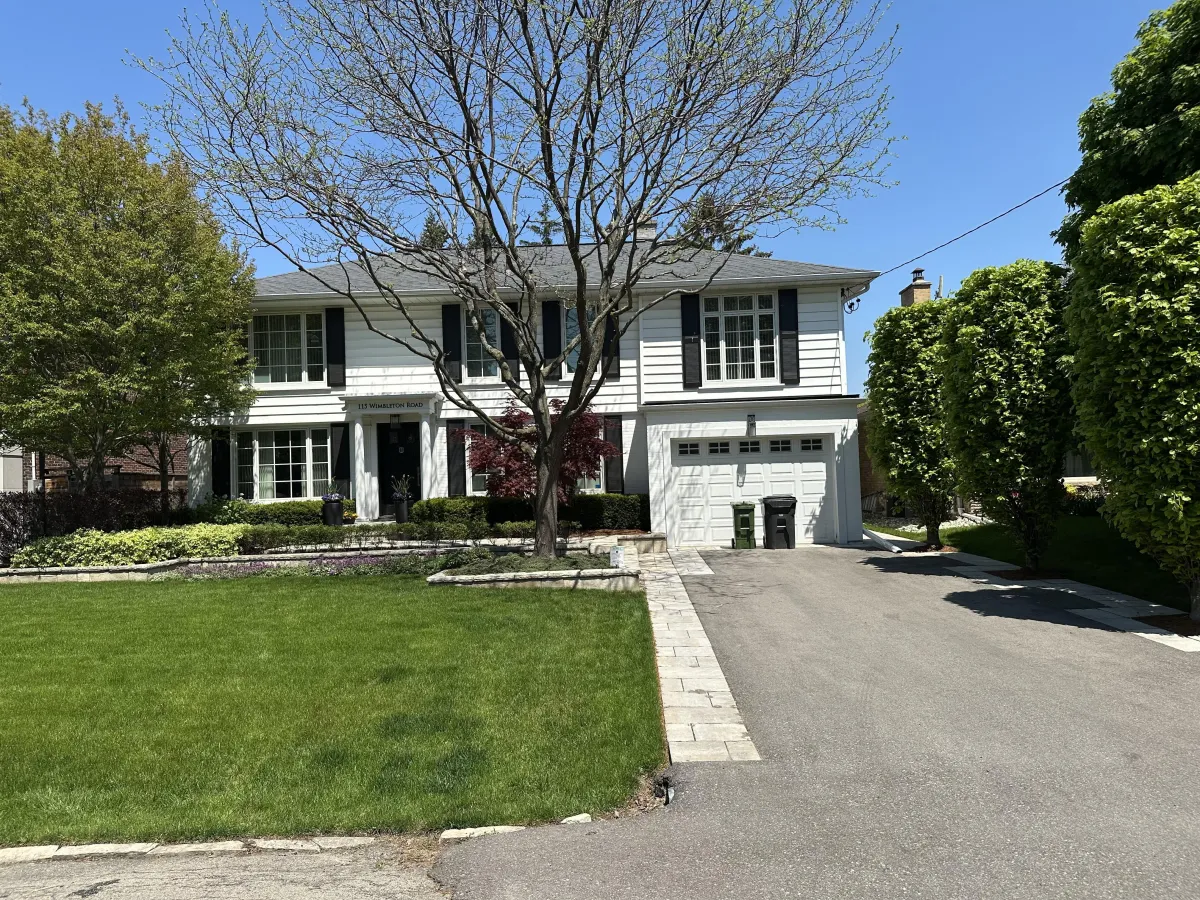
Mimico
History: One of Toronto’s oldest "lakeshore municipalities," Mimico (an Ojibwe word for "abundant with wild pigeons") was once a bustling railway town. Its industrial roots are still visible in the historic brick architecture and lakeside warehouses now converted into lofts.
Community: Mimico has transformed into a vibrant waterfront hub. It offers a unique mix of historic charm and modern lakeside living. Residents enjoy the Waterfront Trail, local breweries, and some of the best skyline views in the city.
Looking to buy, sell, or invest in Etobicoke real estate? Contact local expert Realtor Ed Allan directly at 416-570-5525 for personalized buyer representation, home evaluations, and direct access to over 45 years of West Toronto market experience, bypassing the brokerage office switchboard. Royal LePage West Realty Group Ltd., Brokerage.
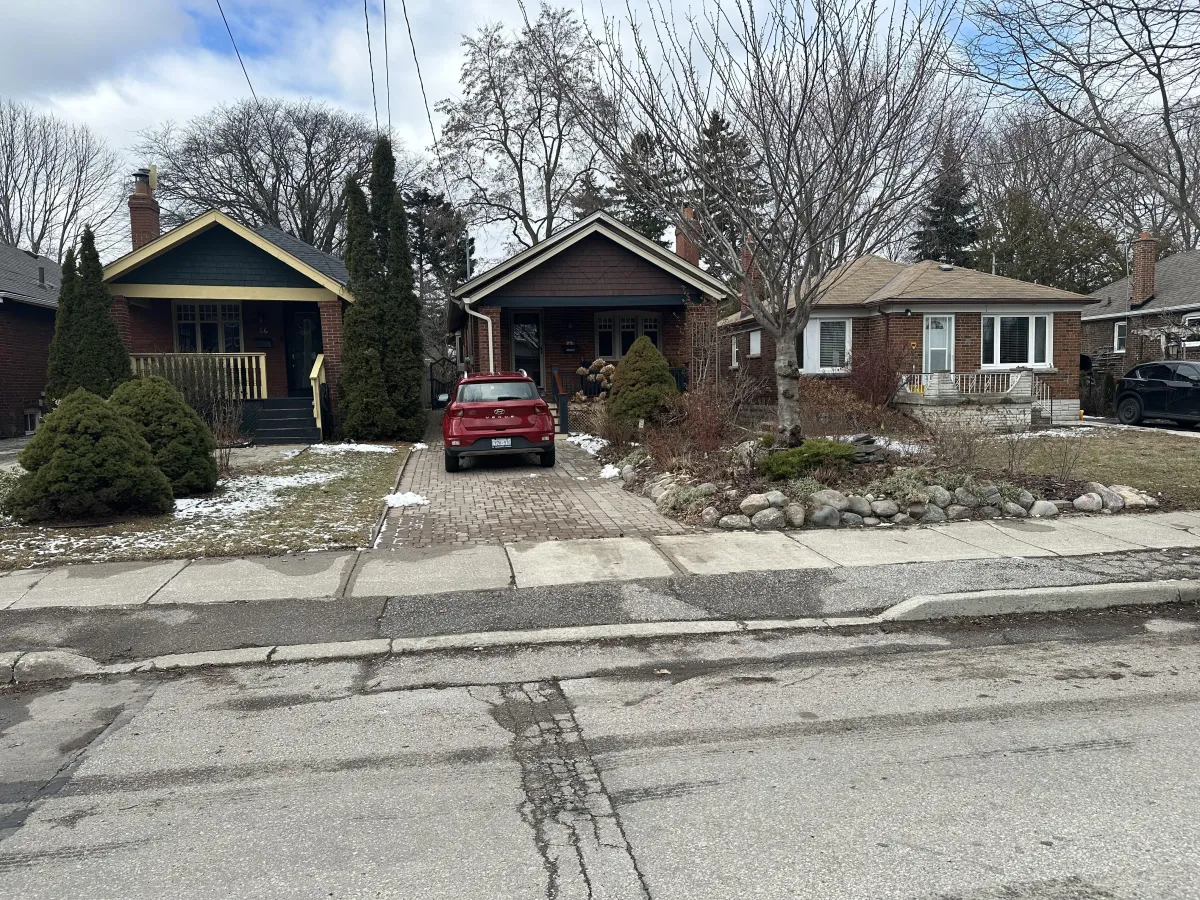
New Toronto
History: Established in 1890 as a planned industrial town, New Toronto was once the "Rochester of Canada." Its streets were built to house the workers of the great factories that lined the lake, giving the area a gritty, authentic historical backbone.
Community: Now a rapidly gentrifying "Village by the Lake," New Toronto is popular with young professionals. It features a bustling commercial strip on Lake Shore Blvd and the beautiful Rotary Peace Park, offering a small-town vibe with big-city access.
Looking to buy, sell, or invest in Etobicoke real estate? Contact local expert Realtor Ed Allan directly at 416-570-5525 for personalized buyer representation, home evaluations, and direct access to over 45 years of West Toronto market experience, bypassing the brokerage office switchboard. Royal LePage West Realty Group Ltd., Brokerage.
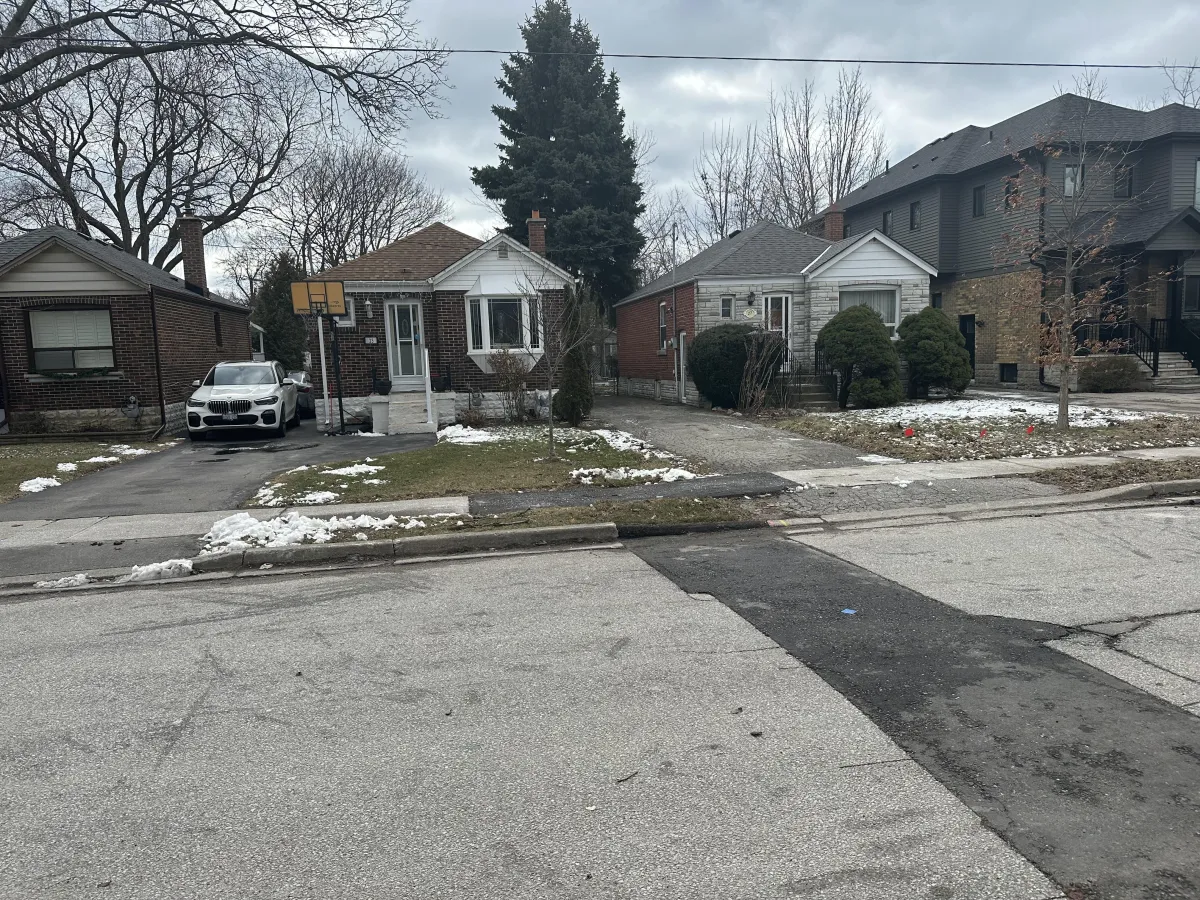
Kipling Heights
History: This area transitioned rapidly from vast farmland to a modern suburb in the mid-1950s. The Garbutt-Gardhouse farmhouse still stands today as a designated heritage site, a reminder of the area's agricultural roots.
Community: A quiet, established pocket that serves as a perfect entry point for families. It’s known for its solid brick bungalows and excellent proximity to transit hubs, making it a practical and charming place to call home.
Looking to buy, sell, or invest in Etobicoke real estate? Contact local expert Realtor Ed Allan directly at 416-570-5525 for personalized buyer representation, home evaluations, and direct access to over 45 years of West Toronto market experience, bypassing the brokerage office switchboard. Royal LePage West Realty Group Ltd., Brokerage.
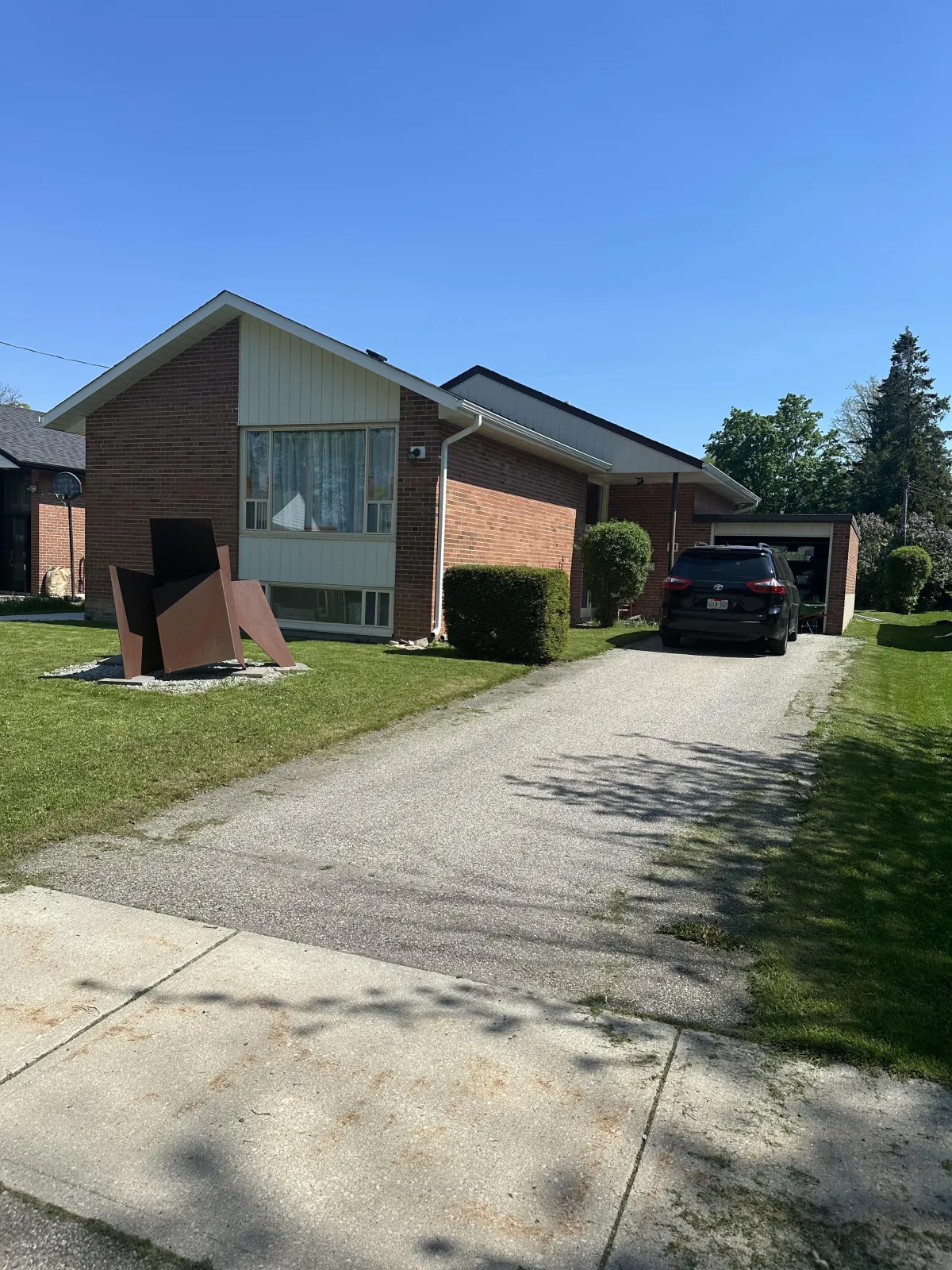
Baby Point
History: Situated on a high peninsula overlooking the Humber River, Baby Point was originally an Iroquois village called Teiaiagon. It was later settled by the Baby family in 1816 and eventually developed into a gated-style enclave in the 1910s.
Community: This is an exclusive, historic community with a "park-like" feel. The massive homes, often backing onto the ravine, are protected by stone gates. Residents enjoy a private social club and some of the most dramatic topography in Toronto.
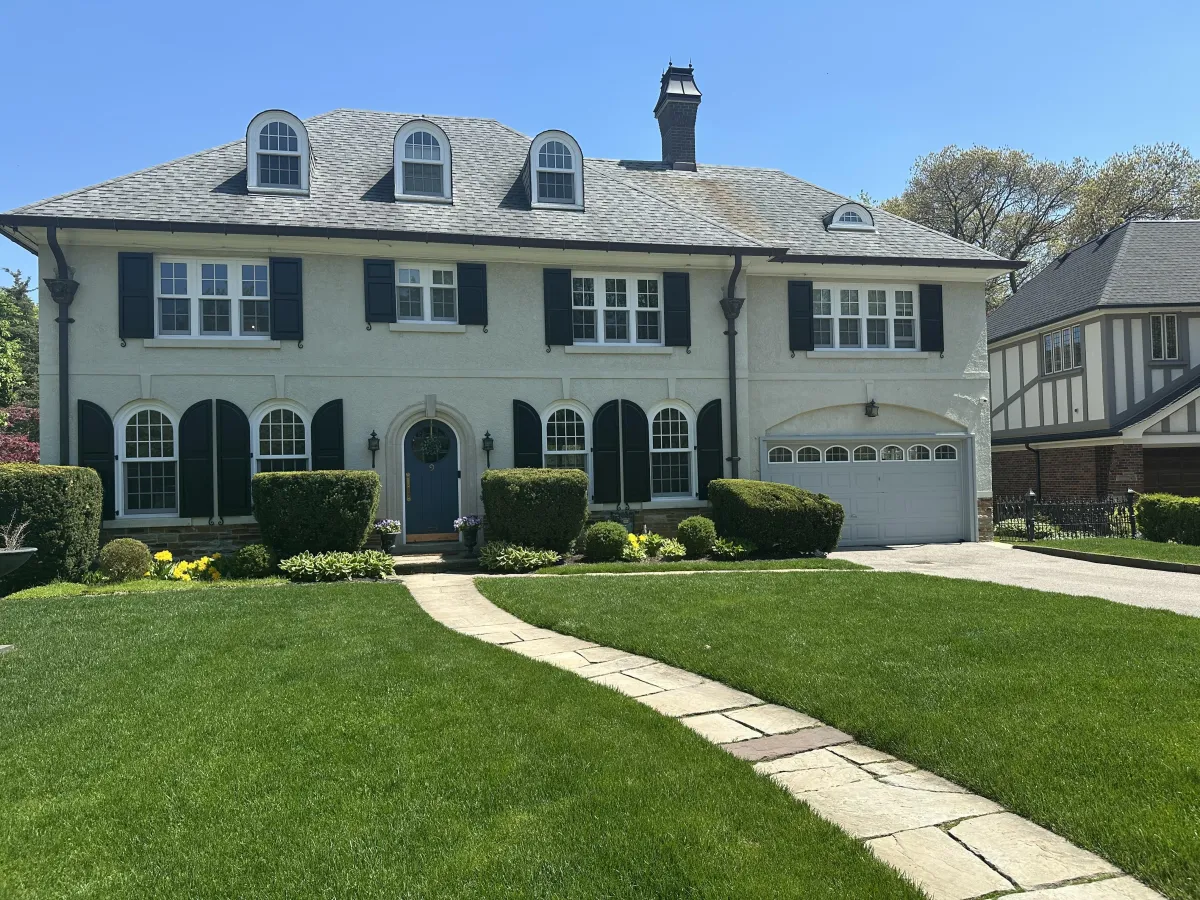
Princess Anne Manor
History: Established in the mid-1950s, Princess Anne Manor was developed as a premier post-war suburban paradise. It is characterized by its wide, sprawling lots and "executive" ranch-style bungalows. The neighborhood was meticulously planned to maintain a low-density, quiet atmosphere, resisting the urbanization that transformed much of the surrounding city.
Community: This is an understated and tranquil enclave favored by established families and professionals. The life of the community is centered around the manicured lawns and the nearby St. George’s Golf and Country Club. It remains one of Toronto’s most stable and sought-after pockets for those seeking privacy and suburban grandeur within the city limits.
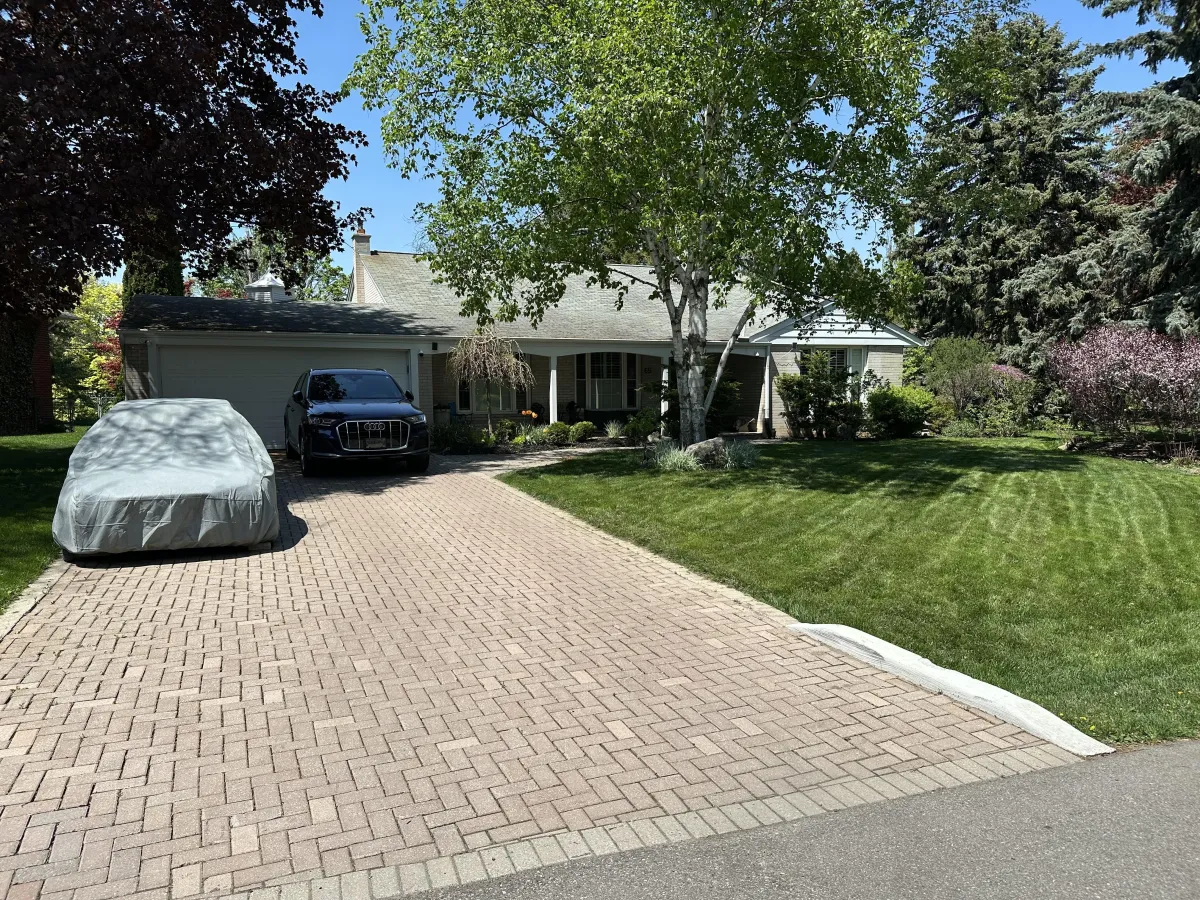
Humber Valley Village
History: Another masterpiece by developer Robert Home Smith, Humber Valley Village was designed to harmonize with the rolling topography of the Humber River Valley. With a heavy focus on preserving the natural canopy, the neighborhood features a diverse mix of stately Georgian, Colonial, and Tudor-style residences that date back to the 1930s.
Community: Known for its "village" feel, the community is anchored by the Humbertown Shopping Centre, a sophisticated outdoor plaza. It is a family-centric neighborhood where children attend top-tier schools and residents enjoy the extensive trail systems of the Humber River. It successfully blends high-end living with a deep connection to nature.
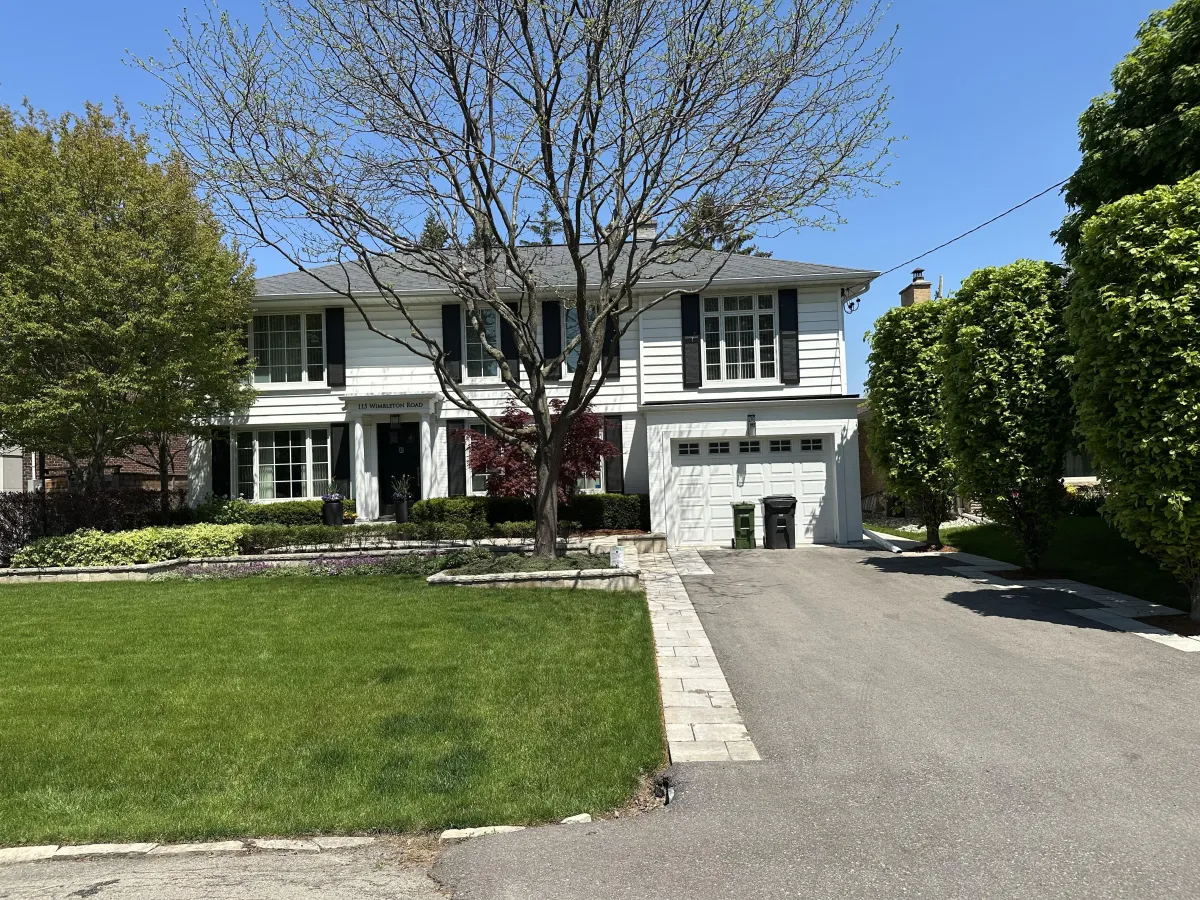
Bloor West Village
History: This was the birthplace of the world’s first "Business Improvement Area" (BIA) in 1970. Historically, it was a hub for Irish and later Ukrainian immigrants who built the iconic storefronts that still line Bloor Street today.
Community: Famous for its European-style bakeries, delis, and fruit markets, Bloor West Village is one of Toronto’s most walkable and energetic neighborhoods. It’s where heritage meets a modern, upscale urban lifestyle.
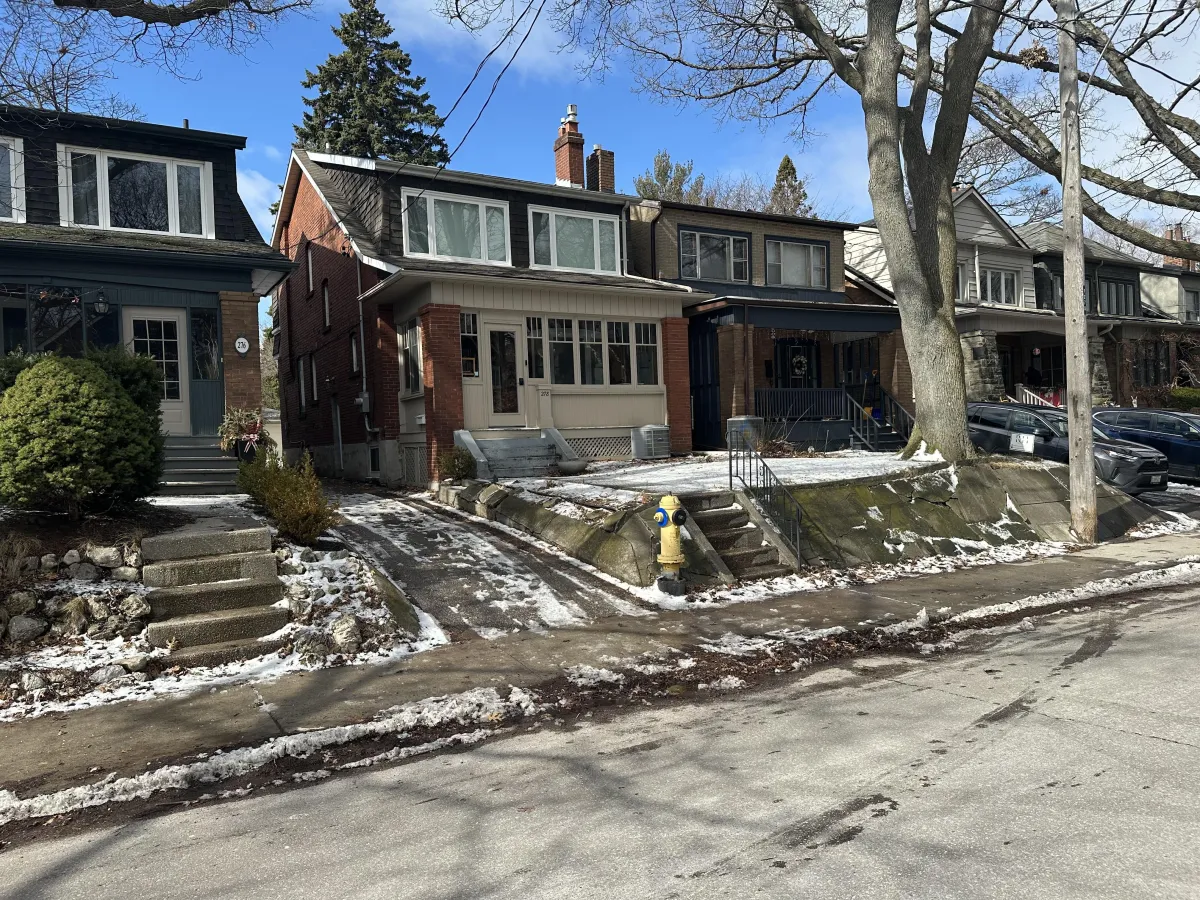
Thorncrest Village
History: Conceived in the mid-1940s by visionary planner Marshall Foss and architect E.C.S. Cox, Thorncrest Village is celebrated as one of Canada's first truly planned modern communities. Designed to exist in harmony with the natural landscape, it features wide, winding roads without sidewalks or curbs, preserving a rural, park-like atmosphere. The neighborhood was built on the former Thorne estate, with a strict adherence to mid-century architectural integrity and low-density living.
Community: This is an exceptionally private and prestigious enclave, unique for its member-owned "Thorncrest Village Clubhouse," which serves as the social heart of the neighborhood. Life here centers around communal recreation, including a private pool, tennis courts, and seasonal events that foster a small-town bond. It is a sanctuary for those who value architectural heritage and a sophisticated, neighborly lifestyle tucked away from the city's bustle.
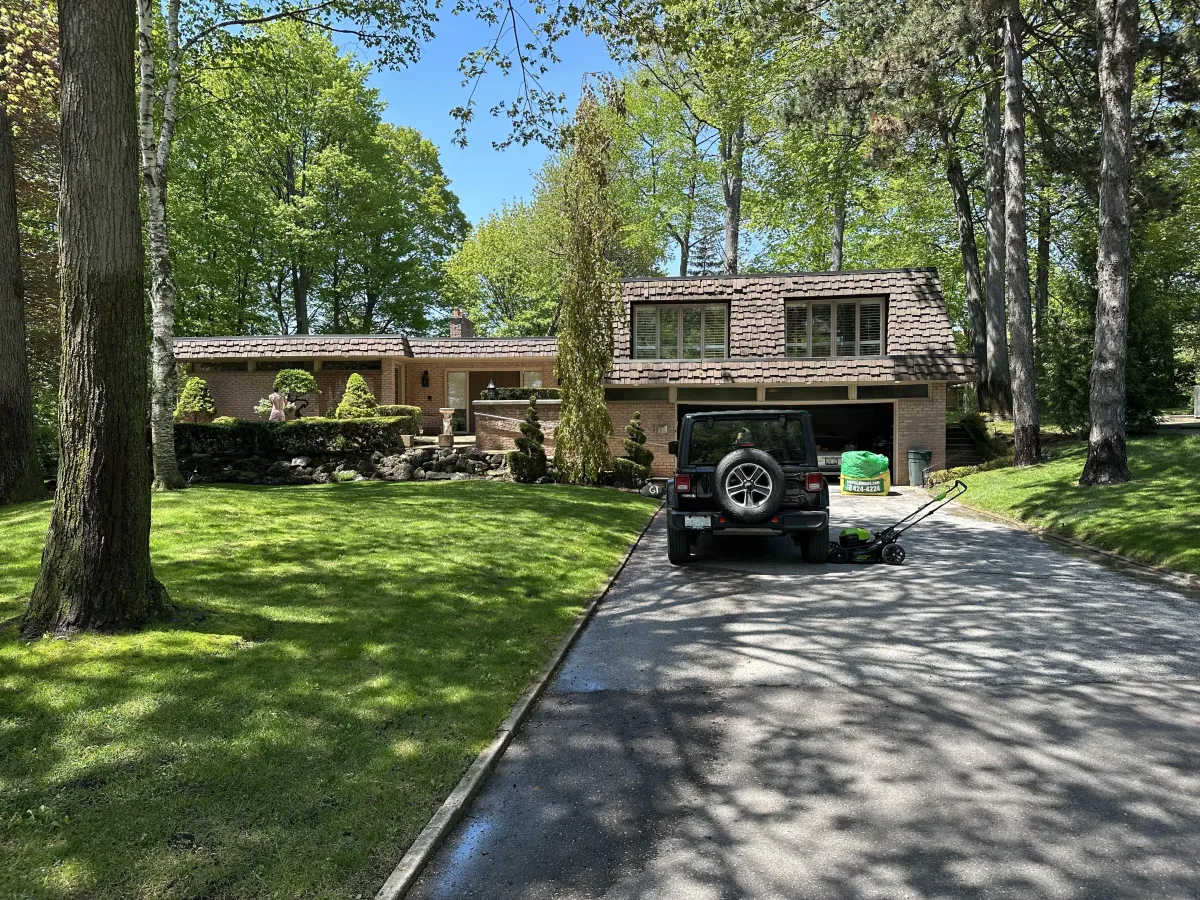
Islington Village
History: Known as Etobicoke’s "Village of Murals," Islington Village is one of the oldest settlements in the area, dating back to the early 1800s. Originally a bustling stagecoach stop, it still retains several historic buildings. The neighborhood was revitalized in the late 20th century through a series of massive outdoor murals that depict the area’s rich agrarian and pioneer past.
Community: Today, Islington Village is a vibrant, transit-oriented community that bridges the gap between historic charm and modern convenience. It offers a walkable lifestyle with a diverse array of shops, cafes, and local businesses along Dundas Street West. It is a popular choice for those who value heritage character alongside urban accessibility.
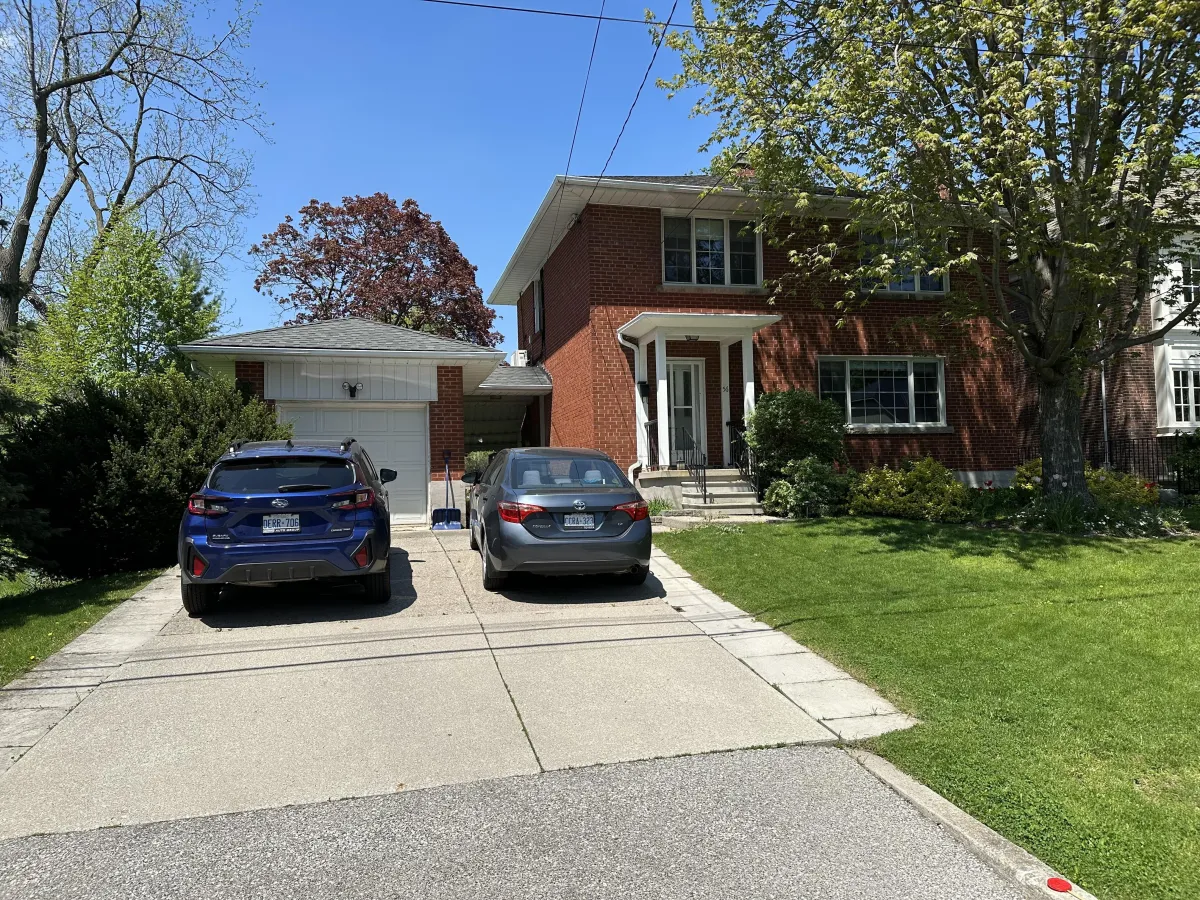
Riverside Drive
History: Riverside Drive is a prestigious, winding stretch that follows the western ridge of the Humber River. Developed primarily in the early-to-mid 20th century, the homes here were built to take advantage of the dramatic ravine views. The architecture is grand and eclectic, ranging from stone-clad mansions to modern custom-built estates.
Community: This is an exclusive pocket where the lifestyle is defined by the outdoors. Residents have immediate access to the lush greenery of Magwood Park and the Etienne Brulé Lookout. It is a quiet, prestigious strip that feels worlds away from the downtown core, offering a sense of retreat for those who appreciate scenic beauty and architectural distinction.
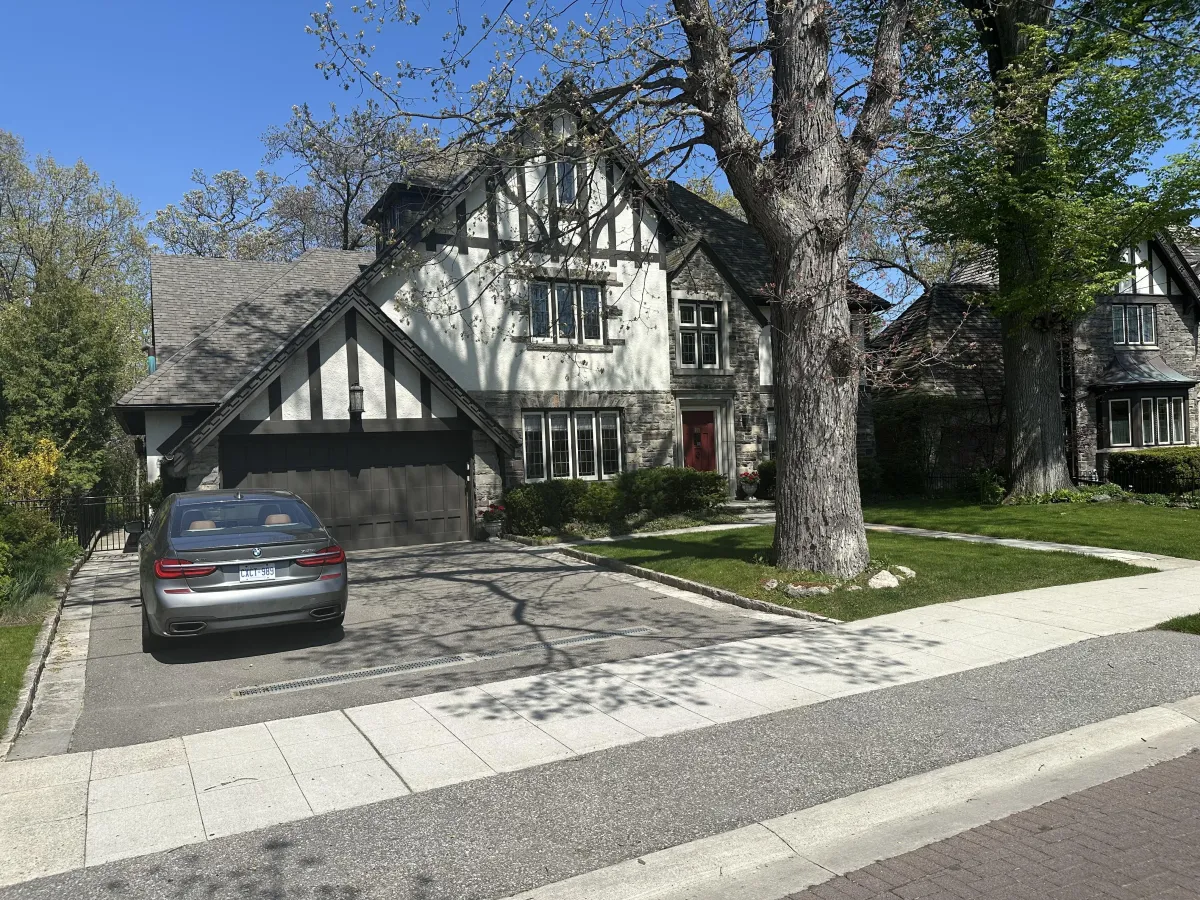
Swansea
History: Swansea was the last independent village to be annexed by the City of Toronto. It has its own corporate seal and remains the only neighborhood with its own community-run Town Hall, reflecting its fiercely independent spirit.
Community: Nestled between High Park and the Humber River, Swansea is a nature-lover’s dream. Its hilly terrain and winding roads give it a "storybook" quality, making it one of the most unique and sought-after pockets in the entire West End.
Long Branch
History: Long Branch began its life in the late 1800s as a posh summer resort for wealthy Torontonians, modeled after Long Branch, New Jersey. You can still find original "cottages" and grand villas near the water today.
Community: Known as "Toronto’s Village by the Lake," it is a nautical-themed community with a distinct personality. With its own GO Station and a vibrant BIA, it’s perfect for those who want a laid-back lifestyle without sacrificing a quick commute to downtown.
Looking to buy, sell, or invest in Etobicoke real estate? Contact local expert Realtor Ed Allan directly at 416-570-5525 for personalized buyer representation, home evaluations, and direct access to over 45 years of West Toronto market experience. Royal LePage West Realty Group Ltd., Brokerage.
Alderwood
History: Originally known as "the place above the tracks," Alderwood’s name comes from the First Nations word for Etobicoke—"the place where the alders grow." Most development occurred post-WWII to support the growing workforce of the west end.
Community: Alderwood is a quintessential family neighborhood. It’s home to the state-of-the-art Alderwood Centre and beautiful Etobicoke Valley Park. It offers spacious lots and a grounded, friendly atmosphere that is increasingly rare in the city.
Edenbridge / North Drive
History: This is the crown jewel of the Humber Valley. Developed slowly from the 1930s to the 60s, the area was designed to showcase the natural topography of the ravine, with many homes built by Robert Home Smith himself.
Community: Characterized by sprawling estates and private, winding drives, Edenbridge is synonymous with privacy and luxury. It feels like a country retreat within the city, bordered by the lush trails of James Gardens and the Humber River.
Selling Your Home
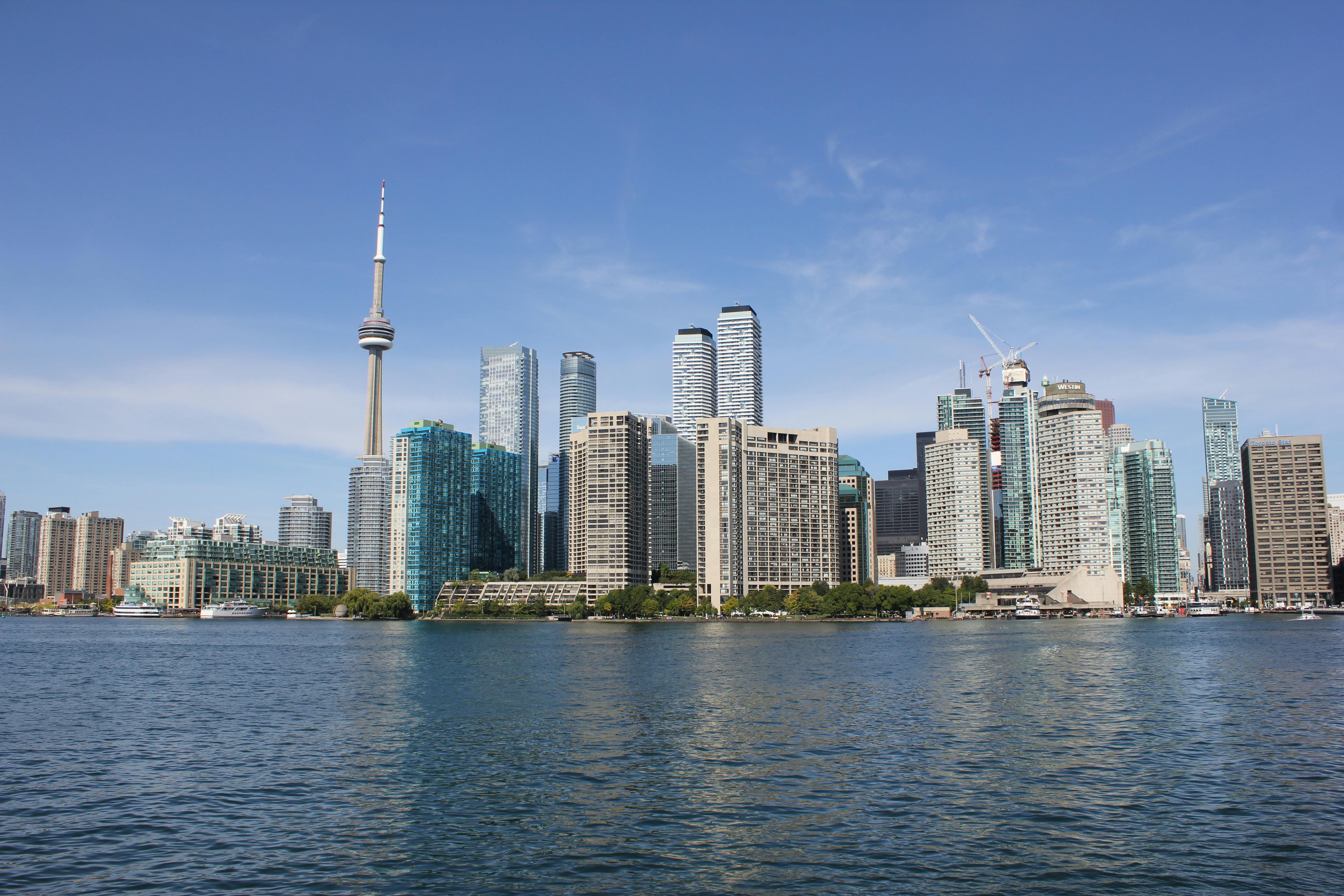
Maximize your return with a strategic marketing plan designed specifically for the Etobicoke/Toronto market. Ed ensures your property stands out and sells for top dollar.

Buying Your Dream Home
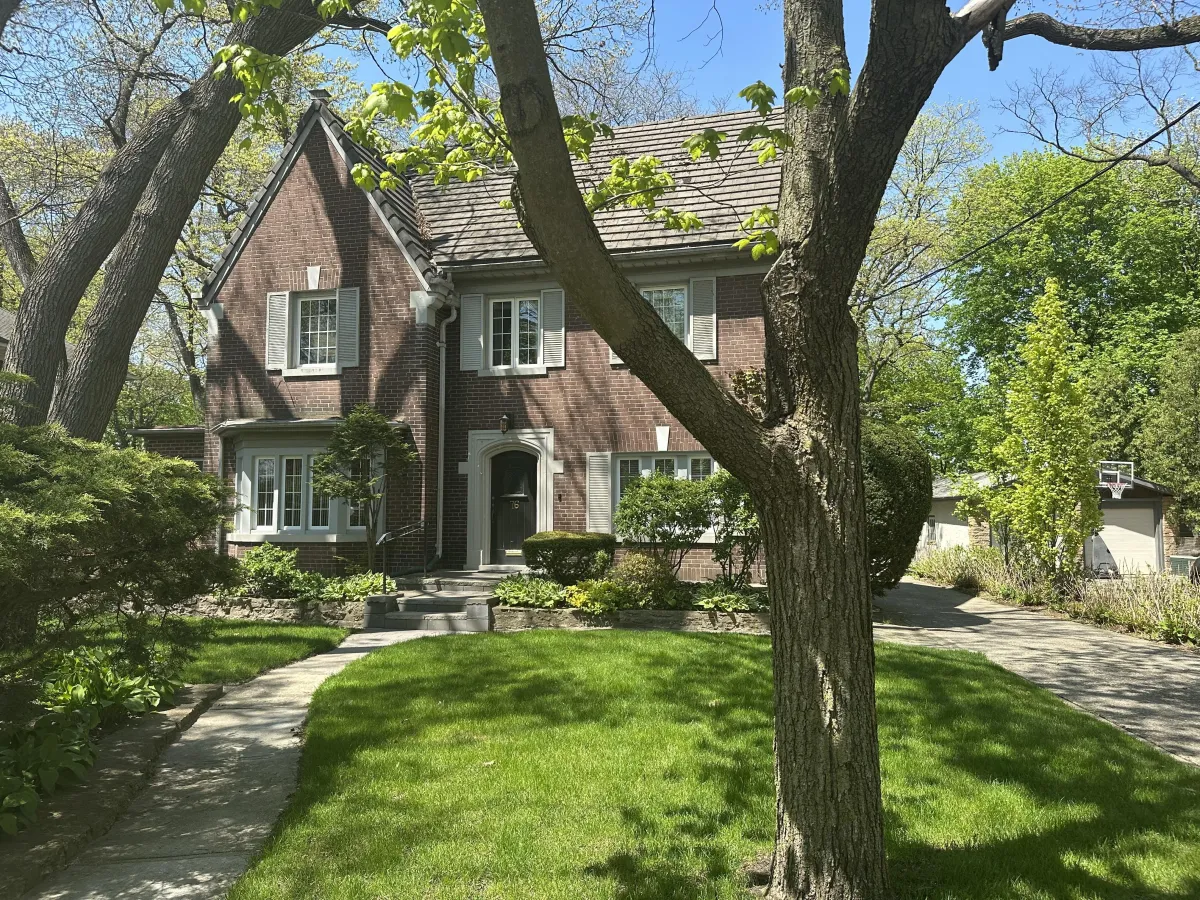
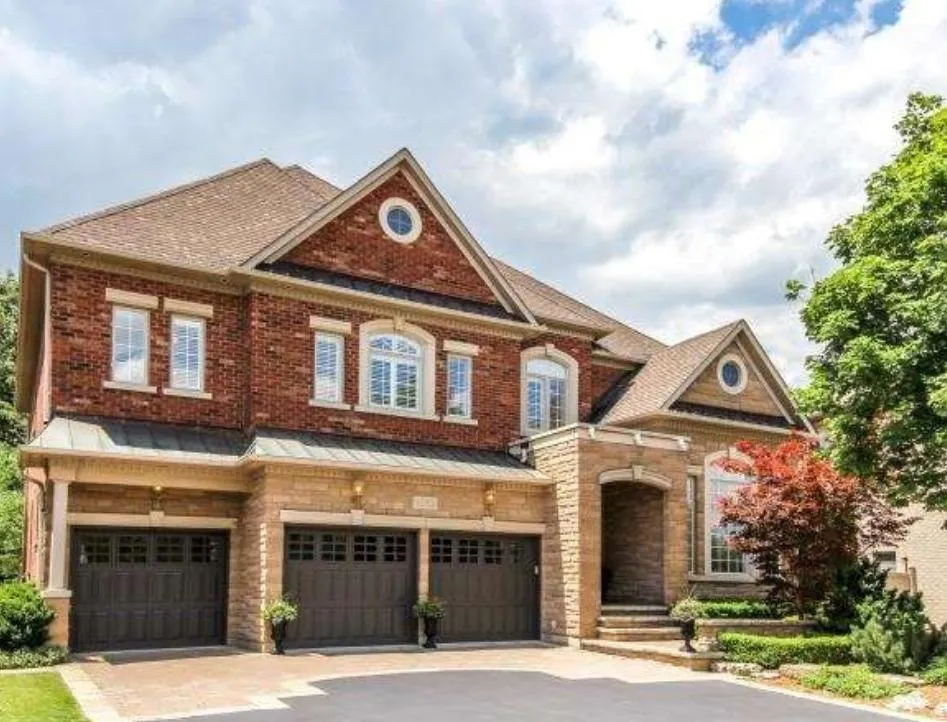
Navigate the competitive West End market with an insider. From off-market opportunities to expert negotiation, Ed finds the home that fits your future.
Investment & Wealth
Build your portfolio in one of Toronto’s most stable markets. Expert analysis on residential and high-growth properties in Etobicoke.
Obtain The Right-Sizing for Seniors
Transitioning to a smaller home is a big step. Ed provides a compassionate, low-stress approach to help seniors find the perfect lifestyle fit without the headache.
Sabri Dawith


Ed Allan is more than just a real estate agent – he is a true professional and a trusted partner. He is hardworking, dedicated, and always goes the extra mile to ensure his clients are satisfied. Ed is thorough, detail-oriented, and responds quickly, making him highly dependable in every step of the process.
Edward Ricciardi
Ed Allan really takes service to his clients personally and always has their best interests on top. His experience and knowledge of the areas he serves really makes a real difference in finding the right home at the right price. I am always impressed at Ed's honesty and sincerity.
Plumbers Direct
I cannot recommend Ed Allan enough for anyone looking to buy or sell in the Etobicoke area. Having grown up in the community, his deep understanding of the local market. He is patient, incredibly responsive, and completely transparent throughout the entire process. Ed provides honest advice that makes you feel confident in your real estate decisions. If you want a dependable professional who will advocate for your best interests, contact Ed!
Jamie Helm
I have known and have worked directly with Ed Allan for close to 25 years. He is an attentive professional with an unrivaled work ethic. I have been consistently impressed by this strategic thinking and dedication to his clients.
Why should I choose a local Etobicoke agent?
Real estate is hyper-local. Ed Allen lives and breathes Central/South Etobicoke, providing insights on excellent schools, future developments, and true market values that outsiders miss.
How does Ed help first-time buyers in Toronto?
We simplify the process—from securing pre-approvals to winning in multiple-offer scenarios. Ed’s goal is to get you into the market with a home that builds long-term equity.
What is the 'Right-Sizing' process for seniors?
Ed offers a specialized "end-to-end" service that includes home preparation, decluttering resources, and finding smaller, high-accessibility homes that maintain your quality of life.
How do you determine my home’s value?
We go beyond basic algorithms. Ed performs a deep-dive CMA (Comparative Market Analysis) using recent sales in The Kingsway, Sunnylea, and South Etobicoke to ensure an accurate, competitive price.
Are there still good investment opportunities in Etobicoke?
Absolutely. With transit expansions and neighborhood revitalizations, specific pockets of Etobicoke offer excellent rental yields and appreciation potential. Ed identifies these "hidden gems" for his clients.
Do you provide any after-sale support?
Yes, I offer after-sale support to ensure you are settled in your new home or satisfied with the sale of your property. Whether its helping with the transition, providing referrals for home improvements, or simply answering any lingering questions, Im here for you post-sale.